Nagpur: Autoimmune diseases frequently affect multiple organs, making close collaboration among medical specialties essential for timely diagnosis and comprehensive patient care. With this objective, the Department of Clinical Immunology & Rheumatology, AIIMS Nagpur, organised RHEUMINATE 2.0, an Interface Continuing Medical Education (CME) programme, in association with the Vidarbha Rheumatology Association (VRA), The Nephrology Society, and the Department of General Medicine, AIIMS Nagpur.
Centred around the theme "Bridging Disciplines, Transforming Outcomes," the CME brought together experts in rheumatology, nephrology, dermatology, and general medicine to discuss evidence-based strategies for the diagnosis and management of complex autoimmune diseases through a multidisciplinary approach.
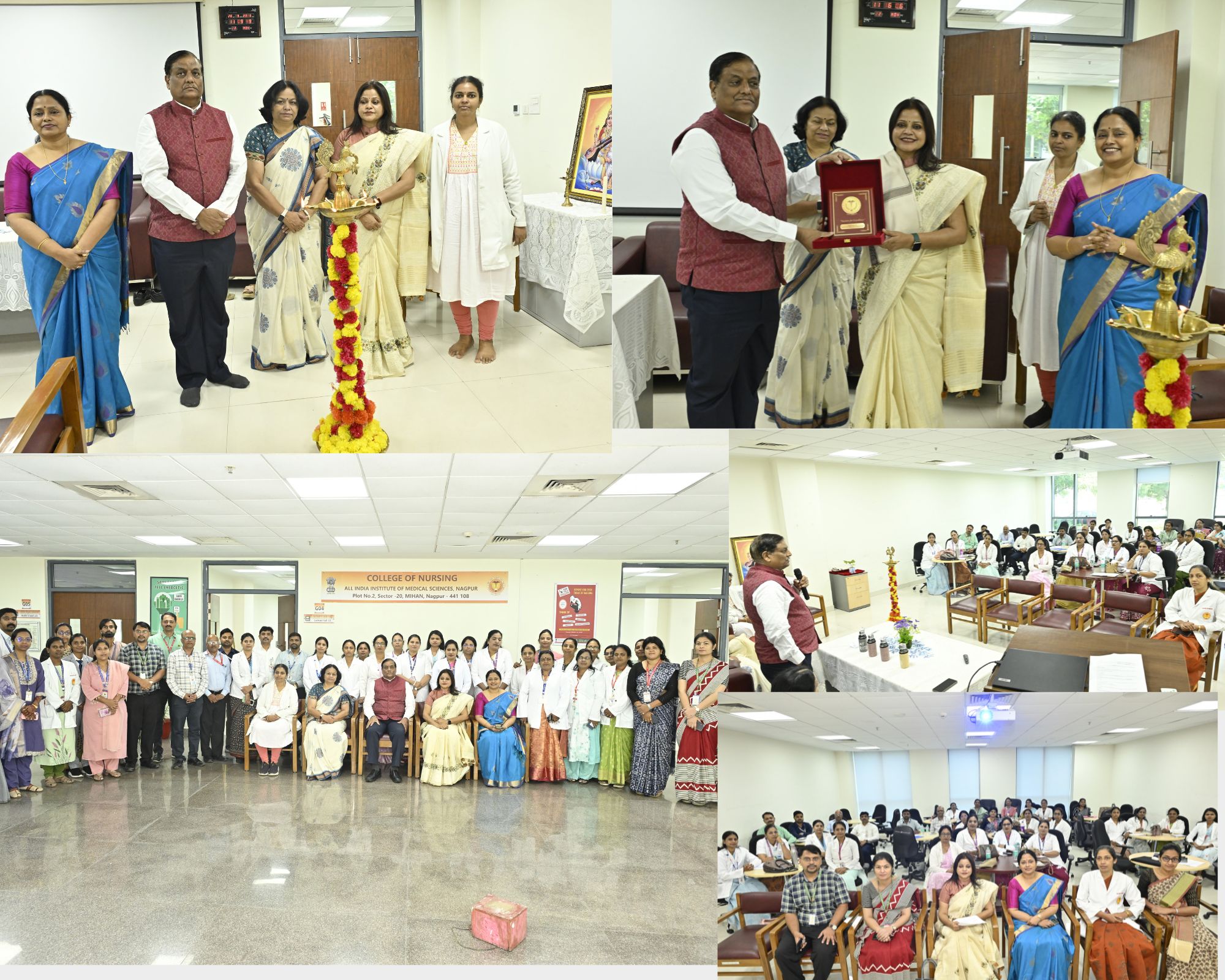
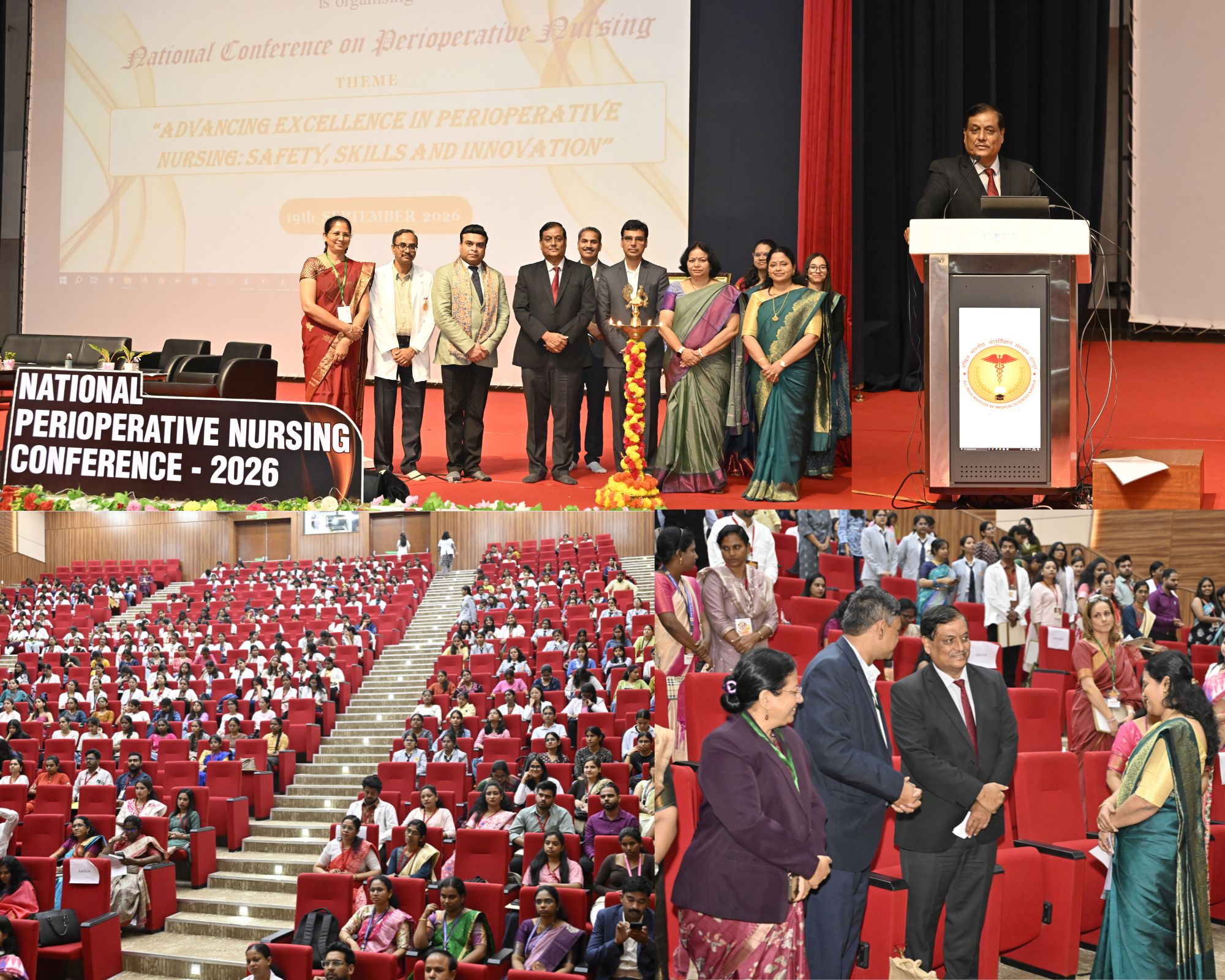
The inaugural session was graced by Dr. Prashant P. Joshi, Executive Director & CEO, AIIMS Nagpur. The programme was organised under the guidance of Dr. Smruti Ramteke, President of the Vidarbha Rheumatology Association, and Dr. Rajeshree Khot, Associate Dean, AIIMS Nagpur, with Dr. Abhilasha Manwatkar, Assistant Professor, Department of Clinical Immunology & Rheumatology, AIIMS Nagpur, serving as the Organising Secretary.
Among the distinguished faculty was Dr. Rakesh Nair, an eminent teacher of Medicine and Nephrology, who shared valuable insights into the renal manifestations of autoimmune diseases. Dr. Piyush Kimmatkar, President of The Nephrology Society, and Dr. Sapan Pandya, Vice President of the Indian Rheumatology Association, also played key roles in strengthening this multidisciplinary academic initiative.
The day-long scientific programme addressed practical challenges in the management of autoimmune diseases. Scientific sessions covered cutaneous manifestations of rheumatic diseases, renal involvement in autoimmune disorders, lupus nephritis, ANCA-associated vasculitis, plasma exchange, interpretation of renal biopsies, and evolving evidence-based treatment strategies. Interactive multidisciplinary team (MDT) discussions, debates, and case based learning sessions encouraged participants to approach complex clinical scenarios from multiple specialist perspectives.
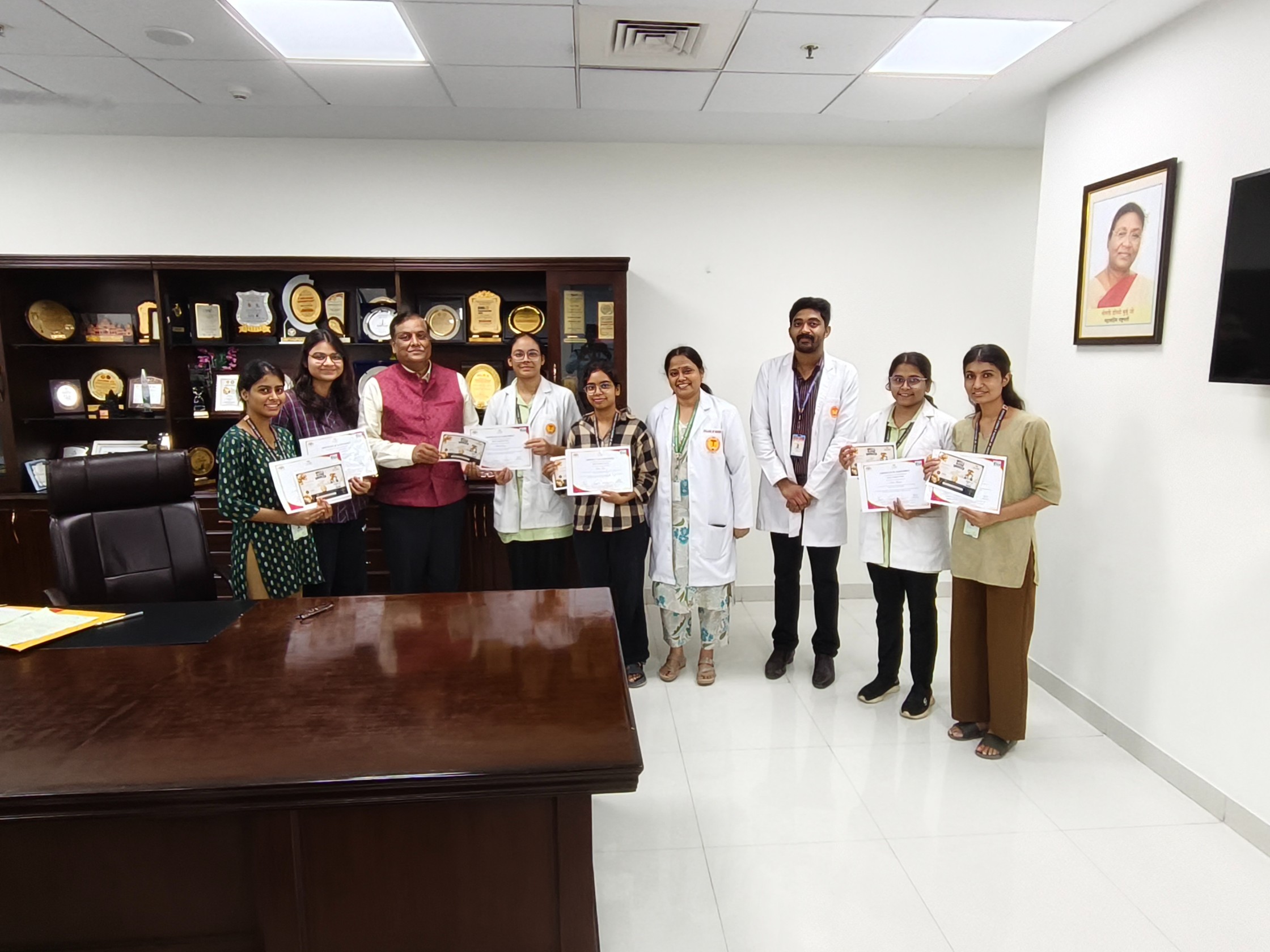
One of the major highlights of the event was the National Rheumatology Quiz, conducted by Dr. Illiasul Ibad, which witnessed enthusiastic participation from MBBS students, postgraduate trainees, physicians, and rheumatologists from institutions across the country. The conference also featured oral and poster presentations by MD Medicine postgraduate students from various medical colleges across India, showcasing emerging clinical research and promoting academic exchange among young physicians. The quiz concluded with a grand finale during the valedictory session, fostering academic excellence, clinical reasoning, and interactive learning.
Recognising that quality healthcare extends beyond scientific discussions, a Pre-Conference Patient Awareness Programme was organised a day before the CME to educate patients and caregivers about rheumatic diseases, medications, and the importance of treatment adherence.
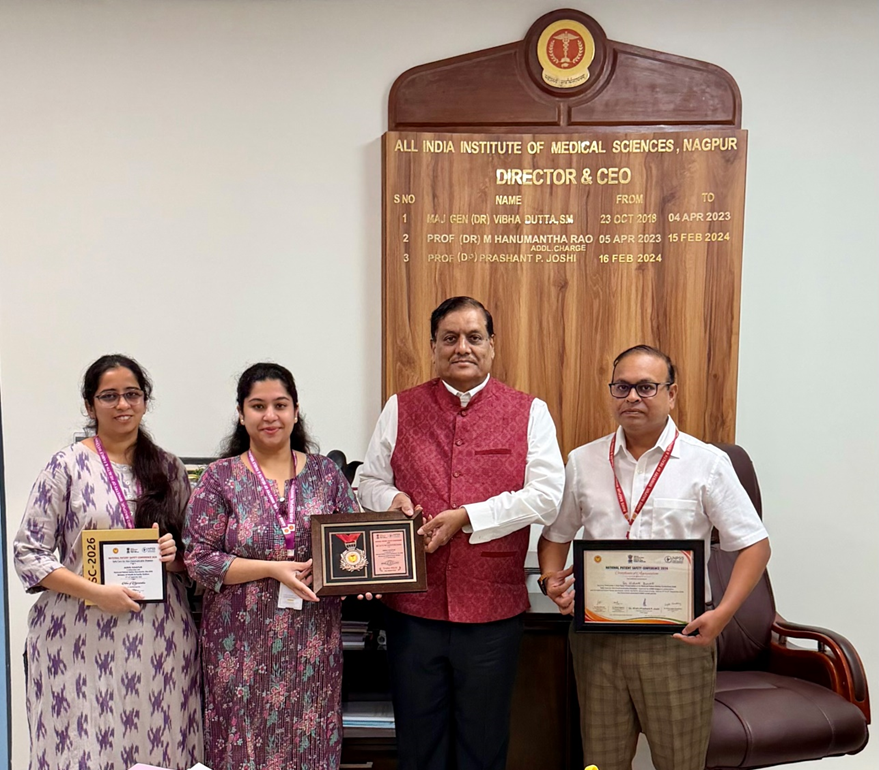
During the programme, Ms. Priyanka Maurya and Mrs. Sakshi Rangari were felicitated for their outstanding contribution to patient safety in the Department of Clinical Immunology & Rheumatology, AIIMS Nagpur. Through meticulous medication counselling, carefully prepared medication packets, and clear written instructions, they have played a pivotal role in ensuring the safe use of rheumatology medicines. Their dedicated efforts have contributed to a remarkable milestone of more than 10,000 rheumatology prescriptions over the past two years without a single hospital admission due to methotrexate toxicity, underscoring the importance of structured patient education, medication counselling, and safe prescribing practices.
The organisers said RHEUMINATE 2.0 reflects the evolving landscape of modern medicine, where collaboration across specialties is indispensable for managing complex autoimmune diseases. By integrating high-quality scientific deliberations with patient awareness initiatives, the programme has emerged as a unique platform that fosters interdisciplinary learning, encourages young clinicians, and strengthens collaborative healthcare. The organisers expressed confidence that such initiatives will further enhance the quality of autoimmune care and multidisciplinary clinical practice across Central India